|

Enbridge Window Rebate In Ontario

Enbridge Window Rebate In Ontario (Get $100 Back Per Window Opening!)

If you’ve been thinking about replacing your windows, you’ve probably already noticed how quickly the costs add up. It’s not a small project. 

But here’s the good news: There’s a rebate program in Ontario that can help take a decent chunk off that price!

Right now, homeowners can get about $100 back per window opening through the Enbridge-supported Home Renovation Savings program. 

And no, it’s not as complicated as it first sounds.

There are a few steps, a couple of rules, and some planning involved, but once you understand how it works, it’s actually pretty straightforward.

We’ll go over everything you need to know in this Enbridge Window Rebate guide.

What Is The Enbridge Window Rebate?

The Enbridge window rebate is part of a larger program designed to help homeowners improve energy efficiency. Think of it as a way to reward you for upgrading your home in a way that reduces energy use.

In this case, the focus is on windows and doors. 

Older windows tend to leak air, let heat escape in the winter, and bring in too much heat during the summer. 

So when you upgrade to energy-efficient ones, you’re not just making your home more comfortable, you’re also reducing energy consumption.

How Does The $100 Per Window Opening Rebate Work

That’s why the program offers money back.

How Does The $100 Per Window Opening Rebate Work?

This is where a lot of people get confused, so let us explain:

The rebate is based on something called a rough opening. That’s just the structural hole in your wall where the window sits. Not the glass, not the number of panels, not the sections, it’s just the opening itself.

So if you have one large opening with multiple window sections inside it, that still counts as one for rebate purposes.

There is one catch. You need to replace at least three window openings to qualify. Or at least one door rough opening, one skylight rough opening, or one sliding door rough opening.  

Swapping out one or two windows won’t make the cut for this specific rebate.

Also Read: How to Choose the Right Style Windows and Doors

What Windows Qualify For The Rebate?

To be eligible, your new windows need to be ENERGY STAR certified

On top of that, the replacement has to be a FULL window replacement. 

That includes the frame, not just the glass or a simple insert. A lot of homeowners try to cut costs by replacing only part of the window, but that won’t qualify here.

In general, you’re looking for windows that include:

  • Low-E glass
  • Argon gas between panes
  • Proper insulation and sealing
  • Strong, energy-efficient frames

These features aren’t just about rebates. They also make a noticeable difference in comfort once the installation is done.

The Energy Assessment Requirement

This is probably the most important part of the whole process.

This rebate does not work like a simple coupon or instant discount. The window rebate is in the program stream that requires a home energy assessment before any work begins. 

The homeowner must first book an initial assessment with an approved service organization, then complete at least two qualifying upgrades.

After your upgrades are complete, you’ll need a second assessment to confirm the improvements.

Timing is everything here. If you install your windows before that first assessment, the rebate is off the table. It doesn’t matter how good the windows are or how many you replaced. 

Once that step is skipped, there’s no going back.

A lot of homeowners rush into installations and only find out about this requirement afterward, which is frustrating. 

So if you take one thing from this article, let it be this: start with the assessment first.

How To Apply For The Enbridge Window Rebate Ontario

Also Read: How to Qualify for Rebates and Save Thousands

Cost Of The Home Energy Assessment

The assessment isn’t free upfront. Most homeowners can expect to pay somewhere in the range of $600 to $1,000 for both the initial and follow-up visits combined.

Now here’s the part that makes it easier to swallow:

The program offers up to $600 back after you complete everything properly.

So in real terms, you’re usually paying a few hundred dollars out of pocket for the whole process. Not nothing, but not nearly as high as it first sounds either.

And when you factor in the rebates you’ll get from the upgrades themselves, it starts to make a lot more sense.

What Other Upgrades Are Required To Qualify?

Like we said, the program requires at least two qualifying upgrades.

That means you’ll need to pair your window project with something else that improves energy efficiency.

Here are some common options homeowners choose:

  • Attic insulation (up to $1,500 )
  • Basement or foundation insulation (up to $2,300 )
  • Wall insulation (up to $3,600 )
  • Air sealing improvements (up to $250)
  • Heat pump water heaters ($500 )

There’s also a bonus worth knowing about. If you complete three upgrades instead of two, you can get an extra $500 added to your rebate total.

So in a lot of cases, it makes sense to bundle a few improvements together instead of doing them separately over time.

Example: How Much a Homeowner Can Save

Let’s walk through a realistic scenario so you can see how this plays out. 

Say you replace 12 window openings. That’s about $1,200 back right there.

Now add something like attic insulation as your second upgrade. That brings in additional rebate money. If you go one step further and include a third upgrade, like air sealing, you can unlock an extra $500 bonus.

So a realistic range might look like this:

  • Windows: ~$1,200
  • Other upgrades: ~$800 – $1,500
  • Bonus (3 upgrades): $500

That puts you somewhere around $2,000 to $3,000+ back.

Suddenly, you’re not just talking about a small discount. You’re looking at a few thousand dollars coming back, which makes a noticeable difference on a larger renovation project.

Also Read: Best Vinyl Windows in Ontario

How To Apply For The Enbridge Window Rebate Ontario

The process is pretty simple once you understand the order of steps. 

Here’s what it looks like:

  • Book your initial home energy assessment
  • Complete at least two qualifying upgrades (including windows)
  • Book your follow-up assessment
  • Submit your paperwork and wait for the rebate

That’s really it. The key is doing things in the right order and making sure everything you install meets the program requirements.

Most rebates are sent out after the final assessment is reviewed, so there’s a bit of a wait, but it’s not a complicated application process.

Is The Enbridge Window Rebate Worth It?

For most homeowners, the answer is yes, but it depends on your situation.

If you’re already planning to replace multiple windows and maybe improve insulation, then this program is a no-brainer. You’re doing the work anyway, so you might as well get money back for it.

On the other hand, if you’re only thinking about replacing one or two windows, the rebate won’t apply in the same way. In that case, it might not be worth going through the full process.

Where it really shines is in larger projects. 

The more upgrades you combine, the more value you get out of the program.

Bottom Line

The Enbridge window rebate is one of those opportunities that can make a big difference if you approach it the right way.

It’s not instant, and it’s not as simple as buying a window and getting cash back the next day. But if you plan ahead, start with the energy assessment, and bundle your upgrades smartly, the savings can add up fast.

If you’re already thinking about new windows, this is the time to look at the bigger picture. 

A few extra steps upfront can turn into a solid return later, and a much more comfortable home in the process.

A Simple Guide to U-Factor Ratings for Windows

When researching window replacements, you likely have come across different energy efficiency ratings. One of the most essential ones is the U-Factor, but what does it mean?

Our simple guide to U-factor ratings for windows will look at what the U-factor is, what constitutes a good factor and what can affect the U-factor rating.


Confused by U-Factor Ratings?

Let our Window Experts help you find the perfect windows for your home.
Receive a Free consultation & no-obligation estimate today.

U-Factor Rating for Windows Explained

The U-Factor is a numerical value assigned to windows, representing their thermal transmittance. In simpler terms, it gauges how well a window insulates against heat flow. A lower U-Factor indicates better insulation and, consequently, improved energy efficiency.

U-Factor ratings are determined through a standardized testing procedure involving the evaluation of a window’s thermal conductivity. The test measures the heat transfer rate through the window under specific conditions. This includes considering factors like outdoor and indoor temperatures and the presence of wind. The goal is to simulate real-world scenarios and accurately reflect a window’s insulating capabilities.

U-Factor ratings typically range from 0.20 to 1.20. The lower the U-Factor, the better a window insulates. For instance, a window with a U-Factor of 0.25 is more thermally efficient than one with a U-Factor of 0.40. It’s important to note that regional climate conditions and personal preferences should influence your choice of U-Factor. Warmer climates might benefit from lower U-Factor windows to prevent heat from entering, while colder regions might prioritize higher U-Factor windows to retain warmth.

Choosing windows with appropriate U-Factor ratings is integral to optimizing energy efficiency within a building. Energy-conscious consumers, architects, and builders rely on these ratings to make informed decisions that align with sustainability goals and regulatory requirements. Windows with favourable U-Factor ratings contribute to reduced energy consumption, lower utility bills, and a more comfortable indoor environment.

U-Factor Ratings for Windows: A Simple Guide for Ontario Homeowners

Window Type Typical Features Typical U-Factor (W/m²K) ENERGY STAR Eligibility
Single-pane
One layer of glass
4.5 – 5.5
Does not meet
Double-pane, clear glass
Two layers of glass, air fill
2.5 – 3.0
Does not meet
Double-pane with low-E
Two layers, low-E coating, air fill
1.5 – 2.0
May meet if U-Factor ≤1.22 or ER≥34
Double-pane with low-E and gas
Two layers, low-E coating, argon gas fill
1.0 – 1.5
Typically meets
Triple-pane
Three layers of glass, low-E, gas fill
0.8 – 1.2
Meets
High-performance triple-pane
Three layers, multiple low-E coatings, krypton gas
0.6 – 0.8
Exceeds (may qualify for Most Efficient)

A Good U-Factor Rating

A good U-Factor rating for windows generally reflects effective insulation and optimal energy efficiency. The U-factor measures how well a window prevents heat from escaping or entering a building. In the context of U-Factor ratings:

  • Low Values are Better: U-Factor ratings typically range from 0.20 to 1.20. The lower the U-Factor, the better the window’s insulating properties. Windows with lower U-Factor ratings are more effective at reducing heat transfer and offer improved energy efficiency.
  • Region-Specific Considerations: What constitutes a “good” U-Factor rating may vary depending on your location and climate. For colder climates, retaining heat is crucial, and a lower U-factor, between 0.20 and 0.40, is generally desirable.
  • Code Compliance and Energy Standards: Check local building codes and energy efficiency standards, as they often provide guidelines for acceptable U-Factor ratings. Meeting or exceeding these standards ensures that your windows contribute positively to the overall energy performance of your building.

The Difference Between U-Factor and R-Value

During your research, you will likely also have come across the term “R-value.”

Where the U-factor measures the rate at which heat flows through a building element, such as a window, door, or wall, the R-value measures the thermal resistance of a material. It quantifies how well a material prevents heat from flowing through it. So, a higher R-value signifies more excellent thermal resistance and better insulation. It indicates the ability of a material to impede heat transfer.

U-Factor measures the overall heat transfer through a material or assembly, including both directions (from inside to outside and vice versa). In contrast, the R-value explicitly measures resistance to heat flow in one direction.

Factors Affecting U-Factor Rating

Several factors influence the U-Factor rating of windows, impacting their thermal performance and overall energy efficiency. Understanding these factors is crucial when selecting windows for your home, as they contribute to the effectiveness of insulation. Here are essential elements that affect the U-Factor rating.

Material Type

Different window frame materials like wood, vinyl, aluminum, or fibreglass have varying thermal conductivity properties. For example, materials with low conductivity, like wood or vinyl, often contribute to lower U-Factor ratings than aluminum.

Low-E Coatings

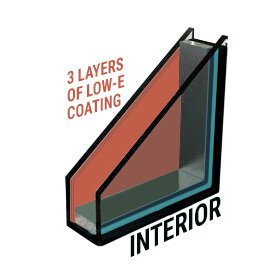
Low-E (low-emissivity) coatings are thin, virtually invisible layers applied to the glass surface. They reduce heat transfer by reflecting infrared energy, contributing to lower U-Factor ratings.

sun shield low e

Spacer Material

The material used in the spacer bar that separates the glass panes influences the U-Factor. Warm edge spacers, often made of materials with low thermal conductivity, can contribute to better insulation and lower U-Factor ratings.

Window Design

The design and construction of the window frame impact thermal performance. Well-designed frames with thermal breaks or insulated profiles can enhance insulation and reduce U-Factor ratings.

Installation Quality

Proper window installation is crucial for maximizing the effectiveness of a window’s thermal performance. Poorly installed windows may lead to gaps or thermal bridging, reducing the overall insulation and increasing U-Factor.


Need a Trusted & reliable Window Installer?

We’ve installed over 10,000 windows for Ontario Homeowners
Receive a Free consultation & no-obligation estimate today.

Thermal Breaks

Some window frames feature thermal breaks—insulating materials within the frame that reduce heat transfer. This can contribute to lower U-Factor ratings by preventing thermal bridging.

Glazing Type

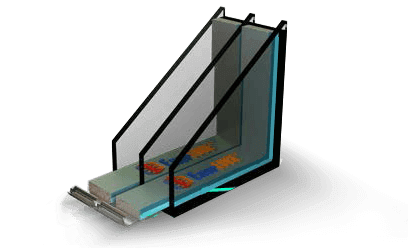
Double or triple-pane windows provide additional layers of insulation, reducing heat transfer. Triple-pane windows generally have lower U-Factor ratings than double-pane windows. Some windows are filled with insulating gases, such as argon or krypton, between the panes. This gas filling enhances insulation and can lead to lower U-Factor ratings.

Triple Glazing diagram

Energy-Efficient Windows from The Window Experts

U-Factor ratings for windows are a critical component in determining the energy efficiency of windows and can be crucial in the decision-making process when shopping for new windows. 

The Window Experts have served Toronto and the GTA for over 5 years, proudly installing Canadian-made, high-quality, energy-efficient windows and doors. We are committed to providing exceptional service to help transform your dream home into a reality, starting with your windows and doors. 

The majority of our business is based on referrals from our satisfied customers. Therefore, we work with integrity to be your number one choice for doors and replacement windows!

Contact us today at 905-875-2596 or fill out our convenient online form to schedule a free estimate and learn how we can help you take your windows and doors to the next level of energy efficiency!

Don’t settle for low-quality windows or installation

Call The Window Experts today to receive a free consultation and estimate.

Call Us Today (416) 844-0099

The Pros and Cons of Sliding Windows

Sliding windows are a classic type that can be conventional and simple but also modern and stylish, making them a popular choice, especially for wide horizontal windows. They are easy to operate and allow for simple maintenance, but, as with many window types, is it the right one for your home or room?

This blog will look at the pros and cons of sliding windows and how they work to give you enough information to decide whether sliding windows are right for you.


How Much Do Sliding Windows Cost?

Allow our experts give you a free, no-obligation estimate today.

What Are Sliding Windows?

As mentioned, sliding windows have been popular for decades, so let’s look at what they are and how they work. These windows, also known as gliding or slider windows, are characterized by their horizontal design, enabling them to glide along tracks for smooth opening and closing effortlessly.

The operational mechanism of sliding windows is elegantly simple. Typically crafted with two or more sashes, one fixed and one movable, they operate by allowing the movable sash to slide horizontally over the fixed counterpart. This mechanism provides a sleek, modern look and practical advantages in various settings.

The sliding window frames are commonly made from vinyl, aluminum, or wood, each contributing unique qualities to the window’s overall performance. Aluminum frames are known for their durability and resistance to corrosion, while vinyl frames are favoured for their low maintenance requirements and energy efficiency. On the other hand, wood frames bring a classic and warm aesthetic to the table, appealing to those who prioritize a traditional look but require more maintenance and upkeep.

The glass panels in sliding windows are often double or triple-glazed, providing improved insulation and energy efficiency. This feature is particularly beneficial in regions with extreme weather conditions, helping to regulate indoor temperatures and reduce energy consumption.

One notable aspect of sliding windows is their versatility in design. Available in various sizes, colours, and styles, they can seamlessly blend into any architectural theme, whether a contemporary urban space or a rustic countryside dwelling. Their discreet appearance allows for unobstructed views and ample natural light, making them an excellent choice for spaces requiring aesthetic appeal and functionality.

In terms of operation, sliding windows are user-friendly and ideal for areas with limited space, as they do not require outward or inward swinging clearance. This characteristic makes them an excellent choice for rooms overlooking patios, decks, or walkways.

double-slider

Pros of Sliding Windows

Sliding windows have gained popularity for various reasons, offering a range of advantages that cater to aesthetic preferences and functional requirements.

Unobstructed Views

Sliding windows provide expansive and unobstructed views of the outdoor surroundings. With minimal frame interference and a large glass area, these windows maximize the connection to the outdoors, creating a sense of openness within the living or working space.

Ease of Operation

The sliding mechanism of these windows ensures effortless operation. With a simple horizontal glide along tracks, they are easy to open and close, making them an ideal choice for individuals of all ages, including those with limited mobility.

Space Efficiency

Well-suited for rooms with limited space, sliding windows do not require additional clearance for opening or closing. This makes them an excellent option for areas with furniture, walkways, or outdoor spaces nearby.

Contemporary Aesthetics

Sliding windows contribute to a modern and sleek aesthetic. Their clean lines and uncluttered design make them a favoured choice for contemporary architectural styles, seamlessly blending with minimalist and urban designs.

Ventilation Control

The ability to open one side or both sides of the sliding window provides flexibility in controlling ventilation. This feature allows occupants to regulate airflow according to their comfort preferences and the prevailing weather conditions.

Energy Efficiency

When equipped with high-quality glazing and frames, sliding windows can contribute to energy efficiency. The tight seals between the sashes and frames and double or triple glazing help minimize heat transfer, reducing energy consumption and maintaining a comfortable indoor environment.

Versatility in Design

Available in a wide range of sizes, colours, and materials, sliding windows offer versatility in design. Whether used in residential homes, commercial buildings, or renovations, they can be customized to complement various architectural styles and interior aesthetics.

Cost-Effective

Sliding windows can be a cost-effective option compared to some other window styles. The simplicity of their design and ease of manufacturing often results in a more budget-friendly choice without compromising on quality and performance.


Ready For New Sliding Windows?

Allow our experts give you a free, no-obligation estimate today.

end-vent-slider-window

Cons of Sliding Windows

While sliding windows offer numerous advantages, it is essential to consider potential drawbacks before making a final decision.

Limited Ventilation Area

The sliding mechanism limits the amount of open space for ventilation compared to other window types. This can be a concern for individuals who prioritize maximum airflow and natural ventilation in their living or working spaces.

Maintenance Challenges

Over time, the tracks and rollers of sliding windows may accumulate dirt and debris or wear out, affecting the smooth operation of the windows. Regular maintenance is crucial to ensure proper functionality, and neglecting this aspect may result in difficulty opening or closing the windows.

Weather Vulnerability

Sliding windows may not be as airtight as other window types, potentially leading to drafts, especially in extreme weather conditions. This may impact the energy efficiency of the windows, resulting in higher heating or cooling costs.

Security Concerns

The horizontal sliding design of these windows may be perceived as a security risk. Intruders may find it easier to force open sliding windows than other window styles. Investing in high-quality locking mechanisms and security features is crucial to mitigate this risk.

Potential for Noise Infiltration

The sliding design, particularly if not equipped with optimal seals, may allow external noise to infiltrate indoor spaces. This can be a concern for individuals living in noisy urban environments or near high-traffic areas.

Size Limitations

Extremely large openings may pose challenges for sliding windows. The weight and size of the glass panels may affect the smooth operation of the sliding mechanism, and in such cases, alternative window styles may be more suitable.

Professional Window Installation and Replacement

Sliding windows are a versatile and easy-to-operate option for replacement windows; they are space-efficient, versatile, and cost-effective. They have some limitations compared to other window types, so weighing the pros and cons of sliding windows to decide if sliding windows are the right solution for your home is critical.

The Window Experts have served Toronto and the GTA for over 5 years, proudly installing Canadian-made, high-quality, energy-efficient windows and doors. We are committed to providing exceptional service to help transform your dream home into a reality, starting with your windows and doors. 

The majority of our business is based on referrals from our satisfied customers. Therefore, we work with integrity to be your number one choice for doors and replacement windows!
Contact us today at 905-875-2596 or fill out our convenient online form to schedule a free estimate and learn how we can help you take your windows and doors to the next level of energy efficiency!

Enhance Your Home With New Sliding Windows

Call The Window Experts today to receive a free consultation and estimate.

Call Us Today (416) 844-0099

Black Mold on Windows: Causes, Removal and Prevention

For homeowners, their homes are the most important investment they make. Maintenance and upkeep is a vital part of owning a home and protecting the investment. As some maintenance tasks are a priority, others can be overlooked, such as preventing the accumulation of black mold on windows. mold isn’t always visible to the eye, as it can show up as dust or dirt that can lead to more complications over time, like damage or health issues to the residents.

In this blog, we will delve into the causes of black mold, the areas it can grow on, and most importantly, how to remove it. 

Need To replace Your Moldy Windows?
Let our experts give you a free, no-obligation estimate today.

What’s So Bad About Mold? 

Beyond its musty smell, mold poses a major threat to the structural integrity and health of a property. The World Health Organization highlights several health risks associated with mold exposure:

  • Eye Irritation: Exposure to mold can cause dry, swollen, and worn-out eyes. Dryness and itchiness are also frequent.

  • Breathlessness: mold can restrict airflow, strain the lungs, and irritate the throat. People who already have respiratory problems are especially at risk.

  • Cold-like Symptoms: Exposure to mold can cause cold-like symptoms such as congestion, runny nose, persistent coughing, and frequent sneezing, even in the absence of respiratory diseases that have been medically recognized.

  • Headaches: Prolonged mold exposure can cause headaches that range in intensity from mild discomfort to life-altering pain.

  • Skin Rashes: Some people who have been exposed to mold may develop skin problems like dryness and rashes, which topical remedies cannot heal. mold removal is essential.

What Causes Black Mold on Windows? 

When the air is too moist, black mold can grow around windows and on window sills. There are several factors that contribute to its formation:

  1. Leaking Window Frames: mold can grow in an environment where rainwater enters through leaking window frames.
  2. Inadequate Roof Repair: A poorly repaired roof can lead to penetrating dampness around windows, which facilitates mold growth.
  3. Inefficient Heating: Cold indoor air creates conditions for mold growth when heating is insufficient or ineffective.
  4. Leaking Pipes, Taps, and Fixtures: Moisture can build up in localized areas when water leaks from pipes, taps, showers, or baths.
  5. Rising Damp: mold can grow around windows when moisture from the ground accumulates.
  6. Condensation: Due to the high levels of moisture in the air, excessive condensation in bathroom and kitchen environments promotes mold growth.

Managing Condensation in the Home

It is common for condensation to occur when a living space has an excess of moisture. The interaction between warm indoor air and cold glass surfaces causes it. This phenomenon is particularly noticeable during winter when interior spaces are heated and glass remains chilly.

In spite of this, traditional windows can be susceptible to this issue. 

The air circulation in older houses is naturally better, even though they are colder and less energy-efficient because of the presence of more drafts. Therefore, they tend to have fewer condensation problems around their windows.

Where Can Mold Proliferate? 

mold can grow anywhere that there’s even a hint of moisture in your home – some spots might be obvious, while others might surprise you.

Often, window sills and glass panes are overlooked. It is common for people to neglect windows until problems arise. Dust may accumulate on sills for a long time, and the glass may only need to be cleaned every few years.

mold can also grow in less obvious places, such as a damp basement corner or rafters, under a minor roof leak. It is possible to breed bacteria even in the forced air duct system. Damp shoes in a closet or a leak around a pipe joint are also potential mold sources.

Look for dampness and mold in less-obvious places and regularly clean and dry them.

How Does Mold Come About?

While dampness encourages mold growth, have you considered how that moisture enables mold to develop and spread throughout your home? Here are some scenarios of how dampness can develop, especially around windows:

  1. Moisture from Humidity: Moisture can build up indoors during humid periods. In spite of your HVAC system’ssystem’s efforts, even tiny air leaks can allow humidity and heat to enter. As a result, mold forms primarily on window frames and glass panes.
  2. Condensation: Window condensation can create an ideal breeding ground for mold, even with double or triple-pane glass. Ensure that the panes’ corners and the sill framing are free of buildup.
  3. Water Penetration from Leaks: Moisture enters through roof leaks, pipe cracks, or window frame fissures. mold can grow and spread throughout your house if these areas are not repaired and sealed.

Spotting Mold on Your Windows: Discoloration 

Finding out if your windows have mold is crucial, and the first step is recognizing its presence. It is a sure sign that mold is present when there is discolouration.

Though mold is often associated with dark grey or black shades, it can appear in a variety of colours. Different types of mold are found in homes, such as Cladosporium, Penicillium, and Aspergillus, according to the Centers for Disease Control. Alternaria, for example, can appear olive green or brown instead of black. If you notice a colour other than black, don’tdon’t dismiss it as if it isn’tisn’t mold.

mold can discolour your window frame, sash, or panes. pay attention to the sliding areas of the sash and the corners where the panes are secured. Accumulations that resemble dust could be mold in a different colour.

Other Methods For Spotting Mold 

mold can be identified by spotting discoloured areas, but there are other approaches, including the following:

  1. Bleach Test for Stained/Tinted Glass: You might have trouble detecting mold if your glass is stained or tinted. Perform the bleach test: mix 1 part bleach with 16 parts water, and rub this solution on suspected areas with a cotton ball. If there is still a stain on the cotton ball, mold is present.
  2. Mold Testing Kit: It is highly recommended that you purchase a mold testing kit readily available at home improvement stores. The results are conclusive, and it is affordable.
  3. Detecting Odor: The odour of mold can strongly indicate its presence. Keep your distance from tight places near windows to avoid inhaling them directly. A noticeably mustier smell indicates mold presence upon return.

Have Leaks, Cracks, or Window Frame Fissures?
Don’t allow your damaged windows to poison your home.
Speak with our Widow Experts today for a free, no-obligation estimate.

How to Prevent Mold on a Window Sill

What types of mold thrive on window sills? Organic matter and humidity can cause mold to grow on window sills made of wood or aluminium.

mold growth depends on household dust, as aluminium sills provide an ideal habitat.

What causes mold on window sills? mold and mildew spores can grow in small crevices near and within windows when moisture is trapped. Wood sills can also support mold and mildew growth on the wood substrate.

To prevent this, you can paint wooden sills with high gloss paint. Dust your sills regularly, especially after damp periods. By taking these measures, you will be able to combat window sill mold effectively.

Preventing Mold on Glass Window Panes 

Can Mold Grow on Glass?

Glass panes on windows lack organic matter, making mold growth unlikely. However, it is essential to remember that neglecting to dust the window panes regularly may lead to the onset of mold growth.

A broken window seal can cause moisture to become trapped between the glass panes, which in turn can lead to mold growth between the glass panes. Condensation often occurs between double-paned or indoor window panes because of temperature differences resulting in condensation.

When it comes to preventing mold on window panes, it is necessary to maintain dry, dust-free glass and manage indoor humidity with the help of a humidifier. 

Mold Between Window Panes

A persistent mold problem can be frustrating, especially when it develops between window panes. Excess moisture or condensation can get trapped within the window frame, allowing mold spores to develop. Fortunately, many methods can be used to prevent mold growth in this area. The best way to keep your windows dry and ventilated is to clean and maintain them regularly.

Wipe down the frames and sills and use a dehumidifier or fan to reduce moisture. In addition, consider investing in newer, energy-efficient windows that will reduce condensation and increase airflow. As a result, your home will remain healthy and comfortable by taking these steps to prevent mold growth.

Preventing Mold in the Window Frame

Mold can grow on window frames, whether aluminium or wood. Aluminium frames are susceptible to organic-rich dust accumulating at the glass-frame junction, where moisture frequently builds up and fosters mold growth.

mold can grow in the perfect environment in wood frames because of moisture that is retained at the wood-glass junctions. On damp wood, mold can grow. regularly clean the frame of dust and moisture to avoid mold growth. 

Preventing Mold in Aluminum Window Tracks

Aluminium tracks are often used in modern window systems to facilitate sliding motion. Dust and moisture can quickly accumulate on these tracks, and their intricate design can make cleaning difficult. Dust and moisture build up in this area and serve as a breeding ground for mold.

Keeping the tracks clean on a weekly basis will prevent mold and dust buildup. Clean and dry the area by brushing away dust and vacuuming afterwards.

Black Mold Can Cause Structural Damage

Living organisms feed on organic materials around your windows, including black mold. Leaving it unchecked will likely cause it to deteriorate and extend its reach as it grows gradually. As a result of window frame deterioration, mold may even penetrate drywall and structural members.

How to Remove Mold From Windows 

We’ve covered how mold grows, spreads, and impacts health, so let’s look at how it can be removed.

mold can be remedied without the help of professionals if you catch it early. Using DIY methods, you can solve the problem yourself.

Assemble the following resources:

  1. Heavy-duty cleaning gloves: It is sufficient to use everyday household cleaning gloves for this task.
  2. Face mask: Use an N-95 respirator or a sealed pandemic mask to prevent spore disturbance.
  3. Eye protection: Invest in snug-fitting goggles to protect your eyes without obscuring your vision.
  4. Cleaning solutions: Invest in mold-specific solutions or mix a safe mixture from household items. Your blend should emit no toxic fumes.
  5. Spray bottles: Having two spray bottles is practical since you’ll be spraying the cleaning solution.

Let’s take a look at the cleaning plan: 

Step 1: Spray the Affected Area 

Fill the empty spray bottle with water that’s at room temperature. It will be used to saturate the area where mold seems to be present.

Even though mold thrives in moisture, spray the area thoroughly to kill it. You’re wetting the mold to prevent the spores from spreading. In addition to spraying each spot itself, you should also spray the area surrounding it.

Step 2: Gently Wipe Away the mold 

Apply your prepared cleaning solution after allowing water to soak the discoloured spot. If you have chosen a homemade mix like dishwashing liquid and water, spray it evenly. Wipe the discoloured area with a paper towel or clean cloth.

After the mold fades, it may darken again, but it usually resolves itself with a second treatment. The second time requires more vigorous rubbing and wiping. Gently scrape the mold with a scraper before spraying and drying.

Immediately dispose of all used materials in the trash and take it outside. To eliminate lingering mold spores, immerse any tools used in the bleach-water mixture.

Step 3: Soak the Area in Bleach 

Although the area looks clean now, it’s not finished. Add equal parts bleach and water to the spray bottle. Let the spray remain on the area for a few minutes after it has been sprayed. Wipe with a clean cloth.

Step 4: Dry Everything You’ve Treated

Remove excess moisture with a clean, dry cloth. The space must be dry to the touch. To aid in drying, open the sash after treating tight spots and allow the sun and wind to dry it.

What If Your Windows are Made With Wood? 

The only solution might be to sand the windows, removing the mold-affected layer. Sanding should be followed by wiping to remove any residue. Using an old toothbrush or cotton swab, rub some oxalic acid on the spot to bleach it. If the spot darkens again, rinse and apply more oxalic acid. Rinse once more, then dry.

Before restaining the wood, ensure that the area is completely dry. A coat of varnish or sealant will prevent future mold seepage.

Wooden Windows versus uPVC in the War on Mold 

Some types of mold feed on wood in wooden window frames and sills. Keeping mold and mold spores at bay requires more work since wood loves moisture. While mold loves seals on uPVC windows, it has a harder time damaging the actual plastic frames and sills.

Protecting the Windows Going Forward 

The only way to completely prevent home mold, including that on windows, is to minimize its potential and be prepared to act if it does. Improve ventilation in your home, particularly in humid areas like bathrooms, kitchens, and basements, to prevent moisture buildup on window surfaces that can lead to mold growth. 

During weather changes, set your thermostat below 70°F (21°C) in order to prevent mold growth. Prevent moisture intrusion by locating and sealing any gaps or leaks in window frames. Dehumidifiers should be run for at least 16 hours per day in moist spaces. By regularly cleaning windows with bleach/water solutions and following safety precautions, you can spot problems sooner and thwart mold growth.

Conclusion

For the health and well-being of all the occupants of the house, mold growth must be managed by preventing it from growing in the first place. 

There is a possibility that dampness is causing black mold to grow around windows.

Particularly, this is true for moisture-laden rooms such as kitchens, bathrooms, and bedrooms.

There will be an impact on everyone’s health as a result.

If you have a persistent mold problem, keep your house free of dust and dampness. If you are still worried about your health, changing windows may be the answer.

FAQs About Black Mold on Windows

Yes. Due to wood’s organic composition and tendency to retain moisture, wooden windows are more prone to black mold growth than uPVC (unplasticized polyvinyl chloride) ones.

It is possible to remove window mold with vinegar. Spray the vinegar-water solution on the affected area, allow it to sit for a few minutes, then scrub and wipe it clean.

Yes, wooden windows are more prone to severe black mold infestations than uPVC versions. The non-porous nature of uPVC windows makes them less likely to harbour mold.

Several factors contribute to black mold growth around windows. Windows can develop condensation when warm indoor air comes in contact with cooler window surfaces, creating moisture-rich environments ideal for mold growth.

It’s important to address mold growth as soon as possible if it has spread to drywall or sheetrock. mold can infiltrate and damage porous surfaces such as drywall, compromising the material’s structural integrity.

How Often Do You Need to Replace Windows?

The windows are one of the most critical parts of your home, being equally responsible for protecting your interior from the elements, harmful UV rays and intruders and allowing for natural light and ventilation.

Together with the window replacement cost, this underlines the importance of regular window maintenance to ensure they work correctly and extend their lifespan.

This blog will look at how often you need to replace your windows, how to determine if they have to be replaced, and what you can do to prolong their lifespan.

Factors Affecting Window Lifespan

Many factors can affect the lifespan of your windows.

Material Quality and Durability

Wood Windows

Proper maintenance makes wood windows a very durable and long-lasting option. Wood comes with natural insulation and soundproofing properties.

However, they are susceptible to rot, moisture damage, and insect infestations. Regular painting or staining, as well as sealing the wood, can help extend their lifespan.

They also can be a fire hazard if you live close to areas that experience forest fires. 

Vinyl Windows

Vinyl windows combine the advantages of excellent insulation and soundproofing with imperviousness to the elements and high durability. 

They are resistant to rot, moisture, and insect damage. High-quality vinyl windows can have a long lifespan, typically 20 to 30 years.

Aluminium Windows

Aluminium windows are lightweight, strong, and resistant to corrosion. They are often used in commercial buildings and last 15 to 25 years. 

However, they are less energy-efficient than other materials and can conduct heat, which may affect insulation.

Climate and Weather Conditions

Climate and weather conditions can significantly impact the lifespan of your windows. Here are some of the factors that can affect windows:

Temperature

Extreme temperatures can affect the materials used in windows, leading to stress on the window frame and seals. Similarly, frigid temperatures can make materials brittle and susceptible to cracking. High-temperature fluctuations can weaken the window structure and reduce its lifespan.

Moisture and Humidity

This factor is more material-dependent than others, as high moisture and humidity levels can be primarily detrimental to wood. Excessive moisture can cause wood frames to swell, warp, or rot. Moisture can also seep into cracks or gaps in the window seals, leading to water damage and mould growth. Sealing wood frames or choosing other materials can avoid moisture issues.

Wind and Storms

Strong winds or severe storms can put significant stress on windows. High winds can create pressure differentials that can cause windows to flex, resulting in potential frame and seal damage. Installing windows rated for high wind or impact resistance can help increase their lifespan in such areas.

Sunlight and UV Exposure

Intense sunlight and prolonged UV exposure can cause materials to deteriorate over time. Window frames and seals are particularly at risk. UV rays can cause fading or discolouration of certain materials and degrade their structural integrity. Choosing windows with UV-resistant coatings or using window coverings can help mitigate the effects of UV exposure and prolong the lifespan of windows.

Saltwater and Coastal Environments

If you live in a region with high saltwater exposure, saltwater can accelerate the corrosion and deterioration of metal components, such as window hardware. It can also affect seals and coatings, leading to decreased performance and lifespan. Choosing windows with appropriate corrosion-resistant features, such as stainless steel hardware, can help mitigate these effects.

Maintenance and Care

Maintenance and care are crucial for extending the lifespan of windows. To effectively maintain and care for your windows, consider the following practices:

  • Clean windows regularly using appropriate cleaning solutions and techniques.
  • Inspect frames, seals, and glass for damage or wear.
  • Repair or replace damaged or deteriorated components promptly.
  • Lubricate moving parts to ensure smooth operation.
  • Check and replace weatherstripping or caulking as needed.
  • Consider professional window cleaning and maintenance services if necessary.

Signs That Indicate Window Replacement

Drafts and Air Leakage

If you feel a cold draft in winter, it is a clear sign that your windows have a problem. It could be a crack in the frame or a gap allowing the air into your home. And where cold air comes in, hot air can leak out and increase your energy consumption.

Water Infiltration and Moisture Damage

Like air, water may enter your home through cracks and gaps. Unlike air, water can cause myriad problems, from damaging paint and finishes to wood rot and mould and mildew.

Difficulty in Opening, Closing, or Locking

A warped or cracked frame can cause problems when opening or closing your window. 

Visible Damage and Decay

Sometimes the signs are evident, such as a broken window pane or a visible crack. Depending on the material of your window, you also have to check for potential rot or decay, which is especially the case with wooden frames.

Energy Efficiency Concerns

If you suddenly see a spike in your energy bills without any apparent reason, such as a freezing winter, your windows might be leaking cold air, causing their energy efficiency to drop.

Determining the Ideal Window Replacement Frequency

Average Lifespan of Different Window Materials

When to replace windows can vary greatly depending on various factors, including maintenance and care.

Wood Windows

When properly maintained, wood windows can last for several decades. With regular painting or staining, sealing, and adequate maintenance, wood windows can have an average lifespan of 15 to 30 years or more.

Vinyl Windows

Vinyl windows are known for their durability and low maintenance requirements. High-quality vinyl windows can have an average lifespan of 20 to 30 years.

vinyl windows toronto

Aluminium Windows

Aluminium windows are lightweight and resistant to corrosion. They can have an average lifespan of 15 to 25 years. However, it’s worth noting that aluminium windows may be less energy-efficient than other materials.

Considerations Based on Climate and Weather

Climate and weather can play a significant role in the lifespan of windows. Temperatures can lead to stress on the window frame and seals or make materials brittle and susceptible to cracking. High winds also can put significant stress on windows, and sunlight and UV rays may lead to the deterioration of materials. 

If your windows are exposed to any of these factors, you might see a smaller lifespan in your windows and have to inspect them more frequently for potential damage.

Maintenance Practices to Prolong Window Lifespan

Maintenance and care are crucial for extending the lifespan of windows. To effectively maintain and care for your windows, consider the following practices:

  • Clean windows regularly using appropriate cleaning solutions and techniques.
  • Inspect frames, seals, and glass for damage or wear.
  • Repair or replace damaged or deteriorated components promptly.
  • Lubricate moving parts to ensure smooth operation.
  • Check and replace weatherstripping or caulking as needed.
  • Consider professional window cleaning and maintenance services if necessary.

Frequently Asked Questions

How Long Do Windows Last in Canada?

Depending on the material of the window frame and if it has been properly installed and maintained, the average lifespan of a window is between 15 and 30 years.

Are There Any Warning Signs That Indicate Window Replacement?

Watch out for cold drafts, water leakage, condensation between window panes or cracks in your window frames. It is crucial to regularly inspect your windows for any warning signs and get repairs or window replacements done before the issues escalate.

What Are The Benefits Of Replacing Windows Regularly?

Some of the most significant benefits of replacing your windows regularly are improved energy efficiency, enhanced comfort, increased UV protection, improved aesthetics, increased home value, reduced maintenance and enhanced safety and security. 

How Does Climate Affect The Lifespan Of Windows?

Climate can impact the lifespan of your windows by weakening or deteriorating parts of your windows. This may lead to air or water leakage, warping or cracking of the frame or other damage.

Can Window Maintenance Extend Its Lifespan?

Regular window maintenance can extend the lifespan of your windows. Regularly clean your windows, inspect frames, seals and glass for damage or wear, and promptly repair or replace damaged components.

What Are The Different Types Of Window Materials And Their Lifespan?

Wood windows average about 15 to 30 years, while vinyl windows have a 20 to 30 years lifespan. Aluminium windows have an average lifespan of 15-25 years.

Are Energy-Efficient Windows Worth The Investment?

Energy-efficient windows are worth the investment because they will not only help you reduce your energy bills but also increase the comfort of your home by keeping the temperature more even and help protect the interior from harmful UV exposure.

Conclusion

Regular window maintenance is crucial in ensuring your windows remain in good condition. The windows are a critical part of your house, so it’s essential to repair or replace them as soon as you see a problem to prevent the issue from becoming more extensive and expensive.

Among the factors influencing how often you should replace your windows are the material of your window, the climate and weather conditions and the level of maintenance and care.

The Window Experts have been serving Toronto and the GTA for over 5 years, proudly installing Canadian-made, high-quality windows and doors. We are committed to providing exceptional service to help transform your dream home into a reality, starting with your windows and doors. 

The majority of our business is based on referrals from our satisfied customers. Therefore, we work with integrity to be your number one choice for doors and replacement windows!

Contact us today at 905-875-2596 or fill out our convenient online form to schedule a free estimate and learn how we can help you take your windows and doors to the next level!

Why Are My Windows Fogging Up?

Have you ever wondered, “Why are my windows fogging up?” Foggy windows can interfere with the enjoyment and comfort of your home by reducing the amount of natural light that comes in.
This mainly occurs because of poor insulation. However, this is not always the case, as there may be other factors causing your windows to fog up. For instance, condensation can also occur when your windows are new. This is why manufacturers and contractors often recommend waiting to install new windows until after winter.
This blog will delve deeper into why you might be experiencing fog in your windows and what to do to stop it.

why are my windows fogging up

What Are the Causes of Windows Fogging Up in a House?

Windows fogging up in a house can signify multiple different things. If you see fog inside your windows, there is likely an issue with the seal around the glass. That’s because most houses use insulated windows.
This air (argon or krypton) helps keep temperature-controlled air inside your home. The seal failure around your window or insulated glass unit (IGU) can cause the temperature-controlled air to leak out of your home, causing fog on your windows.

What Are the Causes of IGU Seal Failure?

If you’re constantly asking yourself, “Why are my windows fogging up?” one of the main contributing factors is the failure of the insulated glass unit (IGU seal failure).
IGU seals may break due to several reasons. Here are some of the most common causes:
  • Exposure to excess heat: Since warm air expands and cool air contracts, the air inside a double pane window could constantly undergo these processes, stretching your seals and eventually breaking them.
  • Exposure to water: Check your window seals after a storm, heavy rainfall, heavy snowfall, or a flood. The seal in your windows protects against water getting into your home through the windows. However, this seal can break if exposed to water for too long, especially after stormy or snowy conditions.
  • Wear and tear: After a couple of decades, your seal may fail due to extended wear and exposure to water and sunlight. You may notice this failure if the fog in your double pane windows can’t seem to wipe off. This means you may need to call a professional to replace the seal.
condensation build up on bottom of window

How Does Condensation Cause Foggy Windows?

Moisture from air escaping through the glass panels causes fogging. This moisture forms into water droplets (exterior condensation) on the cold glass surfaces.
You’ll notice this most as the weather cools. Why? The heat and high humidity levels inside of your home mix with the cold outside air, condensing the moisture in the air into water droplets.
Your windows may also turn foggy due to extreme temperature differences inside and outside your home. This process can also occur when there are sudden temperature changes.
The best way to fix this problem is to call in a professional window company that specializes in repairing insulated windows. They can help determine if your seal has a problem and fix it so that no more heat escapes your home.

How to Get Rid of Foggy Windows in the House

Are you wondering how to get rid of foggy windows in your house? Here are some ways you can attempt to repair your foggy windows:

1. Cleaning the glass with vinegar and water
2. Repair any cracks in your windows before they worsen to prevent moisture infiltration and loss of insulation.
3. Replacing the IGU unit. You can do this by replacing the second pane of glass or the seal inside your insulated window. However, this process can be expensive.
4. Use a defogging spray to prevent your windows from fogging up. Your windows will be clean for a while, but the problem won’t disappear as the window insulation is still poor.

Ultimately, replacing foggy windows is the best way to get rid of them. Consult with your window manufacturer about a warranty for replacing your windows, ensuring there’s a lifetime warranty on IGU seal failure.

How to Prevent Your Windows from Fogging Up

There’s nothing worse than sitting at home and seeing your windows start to fog up. It’s an annoying problem that can be a real pain to fix.
Here are some tips for preventing your windows from fogging up:

1. Make sure that your windows have proper ventilation. If they don’t, the moisture inside the house will have nowhere to go and collect on the glass.

2. Purchase energy-efficient windows. These will help keep your home warmer in the winter and cooler in the summer, which means less moisture will condense on them.

3. Check with your manufacturer to see if your windows come with a lifetime guarantee. If they do, they’ll be more likely to last longer than without this guarantee.

4. Install your windows correctly using an experienced professional who knows how to avoid failure in direct-set glass and seals.

5. Install a dehumidifier in your home or set your thermostat to a lower temperature for those hot summer months.

6. Clean the window frames thoroughly with vinegar or an ammonia-based cleaner. This will remove any dirt or grime trapping moisture inside the frame.

7. Use blinds and curtains to reduce heat inside your home during hot summer days. This will help keep cool air circulating throughout your home and prevent condensation from forming on your windows.

Need Window Fogging Repair or Window Replacement? Contact the Experts in Vaughan, ON

If you’re fed up with asking, “Why are my windows fogging up?” it may be time to contact the window installation professionals at The Window Experts.

We pride ourselves on hard work and dedication as a professional window replacement company in Vaughan, ON. We have a wide variety of replacement windows for your selection.

If you need a window replacement, you can count on us to do the job professionally and affordably. For more information about getting a window replacement or window fogging repair, contact us at 416-844-0099 (GTA) or 866-566-9686 (Toll-Free) for a free estimate.

Garden Doors vs. French Doors: What’s the Difference?

When choosing an exterior door for your patio or backyard, Garden doors and French doors are two of the most popular options. While both serve as elegant entryways that enhance natural light and outdoor access, they differ in design, functionality, security, and energy efficiency.

This guide breaks down the key distinctions between Garden doors and French doors, helping homeowners make an informed decision based on aesthetic appeal, space considerations, and budget constraints.

Why This Comparison Matters

  • French doors are often chosen for their classic double-door symmetry, maximizing light and openness.
  • Garden doors, on the other hand, offer a fixed panel for enhanced security and insulation, making them a practical alternative for homeowners in colder climates or compact spaces.
  • Homeowners frequently compare these two styles to determine the best fit for specific home layouts and energy efficiency needs.

By the end of this article, you’ll have a clear, side-by-side comparison of Garden doors vs. French doors, including:

  • How they operate and differ in structure
  • Which offers better energy efficiency and security
  • Which is more cost-effective for your home style and climate
  • Pros and cons based on real-world usability


How Much Will New Garden or French Doors Cost?

Let our experts give you a free, no-obligation estimate today.

Understanding the Basics: What Are Garden Doors and French Doors?

When comparing Garden doors and French doors you’ll immediately notice their fundamental differences in design, functionality, and purpose.

While both serve as stylish and functional entryways, they have key structural differences that impact usability, security, and energy efficiency.

What Are Garden Doors?

Garden doors are hinged patio doors that typically feature one fixed panel and one operable door, rather than two swinging doors like French doors.

These doors often have a solid frame with decorative glass panels or built-in blinds for added privacy and insulation. They are commonly used for backyard access, patios, and side entrances where space optimization is a priority.

What are French Doors?

French doors are double doors that both open, creating a wide, unobstructed entryway between indoor and outdoor spaces.

Characterized by large glass panels, they allow for maximum natural light and an elegant, symmetrical aesthetic. Traditionally, French doors swing inward or outward, depending on the installation preference.

french door installation

Key Differences Between Garden Doors and French Doors

When choosing between Garden doors and French doors, understanding their fundamental differences can help you determine the best fit for your needs.

Feature French Doors Garden Doors
Opening
Two panels swing open
One panel swings open
Panels
Both panels operable
One panel operable, one fixed
Style
More elegant, classic
More practical, functional
Security
Potentially less secure
Generally more secure
Space Required
Requires more space for opening
Requires less space for opening

1. Door Operation & Functionality

French Doors: Consist of two operable doors that swing open from the center, creating a wide, unobstructed entryway. They provide a classic symmetrical design and require ample clearance space for full operation.

Garden Doors: Feature one fixed panel and one operable door, making them more space-efficient. The operable door can swing inward or outward, while some models include venting sidelights for airflow.

2. Design & Aesthetic Appeal

French Doors: Known for their elegant symmetry and full-glass panels, they enhance natural light flow and create a visually expansive effect. Popular in traditional & European-inspired homes.

Garden Doors: Feature a more solid frame with decorative glass elements, offering a modern, practical aesthetic. Some models include built-in blinds for added privacy.

3. Space & Installation Considerations

French Doors: Require wider clearance to accommodate both doors opening simultaneously, making them better suited for large patios and open layouts.

Garden Doors: Require less clearance since one panel remains fixed. Ideal for smaller patios, side yards, or homes with limited space.

4. Security & Durability

French Doors: Can be more vulnerable due to the double-door design, but high-quality options come with reinforced locks, impact-resistant glass, and steel-core frames.

Garden Doors: Offer enhanced security due to the fixed panel, making forced entry more difficult. Some models include multi-point locking systems for added protection.

5. Energy Efficiency & Insulation

French Doors: May allow more air infiltration due to the center seam, which can be a weak point for drafts. However, models with weatherstripping & thermal glass improve insulation.

Garden Doors: Provide better insulation since the fixed panel reduces air leakage. Many models come with double or triple-pane glass for enhanced energy efficiency.

6. Cost & Value Comparison

French Doors: Typically more expensive, especially if crafted from premium materials (e.g., wood, fiberglass, or steel). However, they add significant aesthetic & resale value.

Garden Doors: Generally more affordable due to simpler installation & fewer moving parts. Customization, such as built-in blinds or venting sidelights, may increase costs.

When to Choose Garden Doors vs. French Doors

Choosing between Garden doors and French doors depends on several factors, including home design, space availability, security needs, energy efficiency, and personal preference. Each option has distinct advantages that cater to different lifestyle needs, architectural styles, and climate considerations.

This section provides a clear, structured guide on when to choose each door type based on practicality, aesthetics, and functionality.

Best Situations for Choosing Garden Doors

When Security is a Priority

  • Garden doors have one fixed panel, making them more secure than double-opening French doors.
  • Many models feature multi-point locking systems, reducing break-in risks.

When Insulation & Energy Efficiency Matter

  • Because one side remains fixed, garden doors provide a tighter seal, reducing air leakage.
  • Ideal for cold climates, where heat retention is critical for lowering energy costs.

When Space is Limited

  • If your patio or backyard has restricted clearance, garden doors work well since they require less swing space.
  • Suitable for side entrances, smaller patios, and compact backyard areas.

When Budget is a Concern

  • Generally less expensive than French doors due to simpler installation and fewer moving parts.
  • Customization options, like built-in blinds or venting sidelights, provide flexibility at a lower cost.

Best For:
✔ Homeowners in colder climates looking for better insulation.
✔ Those prioritizing security & durability in their entryways.
✔ Homes with limited patio space where a double-door swing is impractical.
✔ Budget-conscious buyers who still want aesthetic appeal & functionality.

Best Situations for Choosing French Doors

When Aesthetic Appeal is a Priority

  • French doors offer a classic, symmetrical design that enhances both modern & traditional homes.
  • They maximize natural light and create a seamless indoor-outdoor connection.

When You Want Wide, Unobstructed Access

  • French doors provide a larger opening, making them ideal for entertaining & high-traffic areas.
  • Perfect for large patios, decks, and gardens where full-width access is desirable.

When Airflow & Ventilation are Important

  • Because both doors open, French doors allow for better air circulation, making them ideal for warmer climates.
  • Works well in homes that prioritize cross-ventilation & natural cooling.

When Resale Value & Luxury Appeal Matter

  • French doors add architectural charm, increasing home resale value.
  • Often found in high-end renovations & luxury properties due to their elegant design.

Best For:
✔ Homeowners in warmer climates looking to improve ventilation.
✔ Those who prioritize design & elegance over space-saving functionality.
✔ Large homes or properties with open-concept living spaces.
✔ Those looking to enhance property value through high-end renovations.

Making the Right Choice: Key Considerations

Factor Best Option Why?
Security
✅ Garden Doors
Fixed panel & multi-point locking system.
Aesthetic Appeal
✅ French Doors
Classic design with symmetrical glass panels.
Energy Efficiency
✅ Garden Doors
Less air leakage due to fixed panel.
Space Optimization
✅ Garden Doors
Requires less clearance.
Ventilation & Airflow
✅ French Doors
Double opening allows better circulation.
Budget-Friendly
✅ Garden Doors
Lower cost & easier installation.
Luxury Appeal
✅ French Doors
High-end, elegant design boosts home value.

📌 Final Tip: If security & insulation are your top priorities, Garden doors are the better option. If you want aesthetic appeal, airflow, and wider access, French doors are the ideal choice.


Still Undecided?

Get your questions answered and a free, no-obligation estimate.

How Can The Window Experts Help?

Garden doors and French doors from The Window Experts are an elegant way to effortlessly transition your indoor space with the outdoors. With beautiful doors in your Ontario home, you can start enjoying your outdoor living space.

The biggest decision you will make in your home design is choosing your exterior doors, but even the best doors cannot perform without professional installation. With over five years of experience, we are experts at installing doors. From aesthetics to energy efficiency, our doors will exceed all your expectations.

The Window Experts are fully committed to giving our customers a less stressful and far more caring approach to door installation by redefining the typical remodeling process. We will work closely with you from design to installation and provide exceptional customer service.

We Provide:

  • Best-in-class products
  • Skilled artisans
  • Warranty for door installations

Our team is here to help you create a home that you love, and it all starts with contacting us to learn more about how we can help. Garden doors vs. French doors – it’s your choice!

Contact The Windows Experts today to revitalize your home with top-quality exterior doors. Call us at (416) 844-0099.

Revitalize Your Home With Top-Quality Exterior Doors

Call The Window Experts today to receive a free consultation and estimate.

Call Us Today (416) 844-0099

We’ve provided thousands of home owners with garden door and french door installation in the Greater Toronto Area and surrounding cities like Hamilton, Mississauga, Richmond Hill, Vaughan, Burlington, and Cambridge.

Handy Guide to European Style Windows

European window installation

The 10 Top Benefits of European Style Windows

1. Stylish and Functional Design

No one can deny that European windows offer a distinctive aesthetic not found in other types of windows. Besides fitting in a wide range of spaces, these windows are suitable for many architectural styles. Additionally, clean lines, sleek frames, and designer finishes create a modern aesthetic that can add value to your home and elevate your space.

2. Easy to Use

European windows are also known as tilt and turn windows. Unlike conventional windows, where you have to push and apply pressure against the window, European windows are easy to open and close. These windows reduce the risk of accidentally hurting your hand or fingers.
Most conventional windows are generally hard to clean, but European windows make the cleaning process easy. By placing the window in the turn position, you can safely clean the windows from inside your home.

3. Dual Ventilation

Unlike conventional windows, tilt and turn windows provide various ventilation options. A tilt function allows for top ventilation, letting hot air easily escape. Strong winds are also less likely to enter the room because of the tilt feature.
Secondly, the turn function creates ample air movement that ensures maximum ventilation. This dual option lets you control the indoor environment precisely.

4. Greater Energy Efficiency

As energy costs rise, window manufacturers have started taking advantage of natural resources like the sun and air. European windows meet higher standards of energy efficiency and product quality. Compared to conventional windows, airtight seals around the windows maintain a stable indoor climate while keeping the electric bills low.

European windows help reduce your home’s environmental impact by complying with Passivhaus standards. Smart window technology allows warm air to escape and cool air to enter. The windows are adjustable, allowing air circulation between the exterior and the interior of a house.

5. Airtight Windows

Better air seals mean a tighter seal, which means an airtight window. A conventional sliding window leaks air and water due to poor-quality air seals. In contrast, European windows have two to four air seals per window to create an airtight, high-performance window.

6. Added Home Security

European tilt and turn windows use robust internal hardware with multiple locking points. The in-swing hinges prevent the window from being forcefully opened from the outside. A tilt position also helps maintain security and keeps children safe.
With the window tilted inwards, it remains open with little ability for unwanted intruders to fully open the window. Furthermore, you will never have to worry about your child falling out of the window.

7. Seamlessly Blends In

European-style windows use tilt and turn hardware that hides the hinges between the frame and sash, making the inside of the windows look more appealing and aesthetic.
Aluminum frames have a hidden sash option. When viewed from the outside, the sash creates the illusion of a fixed window. Another benefit of the sash is its ability to conceal most of the frame from the outside, giving it a sleek design.

8. Noise Reduction

Residential homes near major cities, highways, and construction zones have a higher level of unwanted noise. Noise pollution has become a serious problem, and many homeowners want to create a quieter environment within their homes.
European windows can reduce outside noise significantly and make the room quieter. The windows use advanced locking technology to form a tight seal to provide more insulation and limit noise.

Full House Window Replacement

9. Perfect for Large Spaces

Another benefit of European windows is that they can fit in large-sized spaces. The unique design of European windows creates large windows that provide airflow without any visible seams in the glass. For colder climates, larger glass expanses with double and triple panes ensure comfortable temperatures throughout the year.

10. Extremely Durable

New windows you buy for your home should be able to withstand the test of time. European windows provide long-term performance from a steel-reinforced frame and a compression seal sash for long-term style, function, and peace of mind.

European Windows vs. North American Windows

Window manufacturers are moving away from only offering North American-style windows, so you have more options to create a unique and comfortable living area. European windows are not only more functional but also trendier. These windows look different and provide an elegant look that makes your home stand out.
European windows are a premium product that costs more than conventional windows. These windows are appealing due to their functionality, technology, operability, and appearance. Most people find that the extra cost is worth it.

How Can The Window Experts Assist You?

Canadian residents can buy premium European-style windows from us. Every window is custom-made and comes in various design and performance options. Besides being easy to use, European windows provide several advantages such as soundproofing, high energy efficiency, and top-grade durability.
Choosing the right windows should be easy. We offer Passivhaus windows in Unplasticized Polyvinyl Chloride (UPVC), Aluminum, and wood. Windows made of UPVC are affordable, moisture-proof, and have low conductivity.
At the top end of the range is Aluminum cladding, which adds weather resistance and durability to the UPVC frame with a modern aesthetic. Lastly, wood frames add warmth to your home and improve thermal efficiency.
The Window Experts use high-quality materials to craft windows and offer the ability to mix and match between product lines to achieve the perfect form and function for your home.
Why wait? Enhance your home’s quality with industry-leading European windows. The Window Experts have years of experience installing European windows throughout Woodbridge and the surrounding areas. We manage your project from start to finish with a level of attention to detail rarely found in this industry.
Contact The Window Experts today to transform your home or business with European-style windows. Call us at (905) 875-2596.

Types of Double Entry Doors And What Fits Your Home

Entry doors increase curb appeal and allow for more natural light to enter your home. Your front door is also one of the first things people notice when they come over or pass by. Therefore, you need to choose wisely.
Here’s everything you need to know about double entry doors, how to find the perfect style, and which material to choose for your door.

Types of Double Doors

There are various types of double entry doors for you to choose from. Not only are there different material options, but colours, sizes, designs, and additional details as well, which can all help improve your home’s appearance to a great extent.
When it comes to the material, most double entry doors are made from steel, fibreglass, wood, and glass. Before you decide on the material, there are a couple of factors you should consider first. This includes how much you’re willing to invest, how often you would need to maintain the door, and your location’s climate.
Steel Doors

Steel Double Entry Doors

Steel entryway doors are the most popular choice because they provide security, durability, and quality. Other factors that make steel doors so desirable are that they are weather-proof and the fact that they don’t warp, rust, or get disfigured over time. Despite all the advantages of steel doors, they are inexpensive compared to glass double entry doors.

Steel doors are generally easy to install and maintain, and they can be finished with various colours and textures. What’s more, steel doors can be used for both interior and exterior applications.

Fibreglass Double Entry Doors

Fibreglass double entry doors are also quite durable and secure, ideal for cold Canadian winters. In fact, they’re so efficient that they require little to no maintenance. In other words, they’re built to last. Given their sturdiness, they are typically only used for exterior applications. One of the most notable benefits of fibreglass doors is that they can be manufactured into virtually any shape and texture.

When it comes to finishes, you can choose between textured fibreglass and smooth-skinned fibreglass double entry doors. Many homeowners opt for fibreglass entryway doors because they mimic wooden doors but are more durable.

Wooden Double Entry Doors

Wooden doors can make beautiful entryway doors, but homeowners prefer to use them as interior doors since they require so much maintenance. They can give your home a vintage appeal, especially when combined with glass panels. Not to mention that they can be painted or varnished with any colour.
Wooden doors also provide excellent insulation, making them energy efficient. Aside from security and insulation, they block out the outside noise well. They’re easy to install, but they require regular repainting or varnishing. Wooden entryway doors are typically made from pine, oak, alder, and mahogany. They’re generally affordable.

Glass Double Entry Doors

Glass double entry doors are definitely the most elegant option, adding an element of class to your home. What’s more, they allow for natural light to flow into your entryway space. Double entry doors can be either made entirely of glass or combined with other materials in the shape of glass panels.

While glass doors are an attractive choice, they offer the least amount of security, and they can get damaged fairly easily. That’s why they’re better suited for exterior backyard doors or interior doors. The glass can be clear, textured, or tinted. Keep in mind that glass double entry doors command high prices, since they usually need to be precisely cut to fit all the frames.

Benefits of Window Experts Double Entry Doors

If you shop with Window Experts, you’ll be able to choose from a wide selection of energy-efficient double entry doors. All of our doors come with finishes, and they can even feature decorative elements such as grills and ornate glass. Not to mention that you can choose from a rich selection of colours, shapes, and sizes. You even have the option to mix different materials, like PVC and wood, allowing you to create the perfect finish.
What’s more, we offer door panels in any style you could think of. From three-panel and Victorian-styled to parliament and three-panel plank designs, we’ve got it all. If you want to incorporate glass into your door design, we offer various glass elements with wrought iron designs, including old colony, Lytton Park, Ridelle, Glencairn, and Rexford patterns.
Our team also has a wide assortment of double steel & vinyl entry doors to ensure you will find something that you love.

Double Entry Doors Installation Services

Our team of highly trained experts will install the double entry door of your choice in no time. What’s more, you won’t have to find the right hardware and install it by yourself. Window Experts have got you covered with a wide selection of handles and locks, including levers, knobs, keyed or smart code deadbolts, and smart locks.
Aside from double entry doors, we also offer single doors, single doors with two sidelights, and single doors with a sidelight and a transom. All of our doors are sturdy, durable, and maintenance-free.

window experts entry door installation

If you’re interested in how some of our projects turned out, take a look at our gallery. As you can see, we’re quite experienced in installing all kinds of double entry doors, and we’re always looking for new projects to take on.

Shop With Window Experts

Finding the perfect double entry doors for your home is more important than it seems. They can impact your entire house’s appearance and determine the kind of impression they will leave on your guests, neighbours, and people who pass by. They also increase curb appeal and your home’s overall value.

If you choose to work with Window Experts, you can count on quality service, speedy installation, and maximum client satisfaction. With over five years of experience, Window Experts is guaranteed to help you design the house of your dreams, one step at a time. We offer free consultations and quotes, as well as competitive prices and special offers for all our products.

If you’re interested in our double entry doors, or if you have any other questions, feel free to contact us. Our doors are always open for you.

We’ve provided thousands of home owners with Double Entry Door Replacement in the Greater Toronto Area and surrounding cities like Hamilton, Mississauga, Richmond Hill, Vaughan, Burlington, and Cambridge.

The Best Styles and Type of Windows for the Bedroom

The Best Styles and Type of Windows for the Bedroom

Windows plays a key role in your bedroom. They make you feel like your room’s area has been increased, if installed properly. Moreover, they allow sunlight to come in and make your bedrooms brighter.
There is never a perfect single style that fits all when it comes to finding bedroom windows. The right type of windows depends on a variety of factors. This includes the size of the bedroom, the location of the bedroom, and the overall purpose the window will serve.

Best window styles

The Best Styles and Type of Windows for the Bedroom

Every one of us wants to install the more creative and presentable windows in the rooms but more importantly, you should also focus on the fact that your privacy should not be disturbed. Therefore, you need to be very careful when choosing, installing, or replacing a bedroom window. Approaching professional experts for this purpose is a good approach to go with. If you are in need of windows installation or replacement, we at The Window Experts will surely act as your trusted partner.

This guide is specifically designed to let you know about the trendy and eye-catchy bedroom window ideas. Keep on reading to make things crystal clear for you.

Incredible Window Styles for Your Bedrooms

There exist a number of bedroom window styles but after spending several hours of research, our dedicated staff has come up with some top-notch ideas for you to go with. Let’s have a look at them.

Double Hung Window

Double hung windows look great in almost any room of the house but are an extremely popular choice for bedrooms. It is easy to control sunlight, air circulation, and temperature. This is because of the fact that double hung windows can open from the top and the bottom. You no longer have to worry about stuffy bedrooms. The windows are constructed using durable uPVC that not only strengthens the construction but also helps the window last for years. 

Awning Windows

There is a huge similarity between casement and awning bedroom windows. What creates the major difference between these two is when it comes to awning windows, they are attached to the top of your frame. Whereas, casement windows are attached to the side.

The best thing about awning windows is you can keep them open even if in the rainy weather because it creates a sort of cover or shade over the window.

Casement Windows

Casement windows open using a hand crank and they also give you complete control over temperature and airflow. The Casement Windows offered by us also provide triple sealing for higher energy efficiency and protection from the elements of nature. We provide the benefit of added security through Roto Locking Systems. Amp up the features in your bedroom with our stunning casement windows!

Sliding Windows

These windows are economical because they come with simple yet decent designs. Therefore, they are popular because of their budget-friendly nature. You can move their sashes back and forth to either open or close them as per your needs.

You will find sliding windows user-friendly as it is very easy to clean and operate. They are wide and allow plenty of light to enter your bedroom and improves the ventilation thereby providing you with a more comfortable environment.

Get Your Window Installation Done Right

The Window Experts with our well-trained and professional staff operate in many regions including Toronto, Burlington, Oshawa, Barrie, Bradford, and Aurora. If you are living in any of these areas, or even if you belong to some other place, you can contact us at 905-875-2596 for further assistance.

Best Kitchen Windows Types, Shapes & Designs

The kitchen is usually the busiest room in the house, and it’s also where you spend the majority of your time. While the utility is vital in the kitchen, remember that aesthetics are as important. The correct windows play an important role in the overall appearance and functionality of the kitchen.

Choosing the appropriate kitchen windows may transform a functional space into a welcoming space that is bright, airy, and the center of your daily activities. There are various window designs to choose from, and each window type serves a particular purpose. Read on below to know more:

Best Kitchen Windows Types, Shapes & Designs

Single Hung Windows

Single-hung windows open vertically, with the lower sash (bottom window panel) sliding up and down while the upper sash remains immovable. This implies that when you open the window, the interior of the upper sash is covered. This allows for good air ventilation without having to open the entire window for more controlled airflow. 

Double-Hung Windows

Kitchens can benefit from double-hung windows. Because it can be opened from the top or bottom, this sort of window allows you to conveniently adjust air circulation. You can choose how much or how little you want to open them. Check out our selection of double-hung windows at The Window Experts to find your perfect fit.

Casement Windows

For kitchens, casement windows are a common choice. On a crank, they expand outwards, allowing you to manage airflow in the room. These windows can also flood your kitchen with natural light. These windows can be opened by swinging them out. This allows for a better view outside also owing to the fact that the window is made of glass.

Sliding Windows

Sliding windows can be installed above kitchen sinks and worktops. Because they open and close on a sliding rack, these windows are simple to open and close. This window type will not only brighten but also ventilate your kitchen.

Awning windows


Awning windows swing outward from the bottom and are hinged on the top, allowing for ventilation and weather protection. Often used in conjunction with large stationary windows for a greater view or higher on walls for privacy.

Double Sliding Windows

Two sashes slide from side to side in our twin sliding windows. These windows are well-built, with double locks and weatherstripping to keep your property safe from the worst weather we’ll see. Both sashes slide along brass track rollers, which are far more durable than the nylon track rollers used by some manufacturers. The two sashes can be easily removed for cleaning.

End Vent Sliding Windows

A sliding window with an end vent can be the perfect accent to a large room in your home. The end vent sliding windows have two screens and are open on both ends. The sashes can be cleaned by lifting them out.

Fixed casement window

Casement windows that cannot be opened are known as fixed casement windows. It’s a window that lets natural light into space while also allowing for a good view of the outside. During a window replacement project, fixed casement windows are practical and easy to integrate with other window styles.

Picture windows

Insulated glass in picture windows is an excellent alternative for improved performance and comfort in the home. Insulated glass is made up of two or more panes of glass separated by a hermetically sealed air void. Inert gases such as argon or krypton can be employed between the panes to increase thermal performance and save energy.

The Window Experts – The Perfect Choice for Kitchen Windows

Our mission is to provide the best resources for making your home improvements a reality. Our experts have thousands of window and door installation projects under their belts, so they bring a wealth of knowledge and expertise to the table. Contact us at 905-875-2596 and allow us to upgrade your kitchen in terms of looks, energy efficiency, and functionality.

Everything You Need to Know For Buying Vinyl doors

When it comes to its look, wooden doors have no comparisons. Wood is a classic choice and has been for centuries but when exposed to the elements, it tends to get damaged over time, requiring considerable maintenance and upkeep. Thus, it is very important to choose the right material for your doors beforehand. Vinyl doors help protect the wood from damage and extend its lifespan.

Vinyl doors are created through vinyl cladding.  Raw MDF doors are wrapped with vinyl and sealed using top industrial grade adhesives. A solid wood interior and vinyl exterior ensures that the door is able to withstand the long-term exposure to heat, moisture, stains, etc.  Over the years, vinyl as become the preferred frame material for various kinds of doors, earning a special reputation for sliding patio doors.  Here are certain points to consider if you’re planning on buying a vinyl door for your home.

Pros of vinyl doors

Affordable – The biggest allure for buyers is the surprisingly low price of top quality vinyl doors. Vinyl is one of least expensive doors on the market costing less than wood or steel. With such impressive durability at such low prices, buyers can’t go wrong.

Durable – Vinyl doors resist moisture which makes them extremely durable and resistant. The vinyl doesn’t rot or decay overtime. This gives it great ability to withstand changing temperature and weather conditions for years.

Saves Energy – In the long run, vinyl doors will save you money! Compared to other materials, vinyl fittings are the best and this leaves little room for leakages. Keeping your airflow under control, vinyl keeps the energy requirements in check and saving users their hard-earned money.

Low/No Maintenance – For homeowners, vinyl doors are something to install and forget. Unlike other types of doors, vinyl doors are not easily affected by external elements. It doesn’t dent, bend or catch on fire. Neither is it sensitive to housecleaners or kitchen rags. This rigidity leaves little room for extensive repair and maintenance work.

Things to think about when buying vinyl doors for the home

Exterior Appearance – Vinyl best fits and protects wooden doors. Make sure you find a door that matches your house. Make sure you buy your vinyl doors from a reputable company; it will offer a wider selection of designs and colors. It takes a trusted brand to supply quality vinyl doors that look the part.

Faulty/Unplanned Installations – A thing about vinyl doors is that the design and the installation have to be carefully planned and ably executed. This is because vinyl is brittle and can crack. Thus, installations like a new lock can damage the vinyl. Repairing cracked vinyl doors should be handled by a professional and is best avoided by homeowners.

Large selection of vinyl doors in Toronto and the GTA

At The Window Experts, we specialize in all kinds of door and window installation. We offer only the best vinyl entry doors which are maintenance free, long-lasting, durable, and come with long warranties. We have a door for all budgets.  Check out our collection today.

All Window Types Explained: Casement, Awning, Bay Windows and More

Windows provide the basic but valuable function of letting natural light into your rooms and keeping them ventilated. A typical house requires several windows which can be of several kinds as well, depending on the homeowners’ needs and designs sensitivities. Depending on what you like, you can narrow down the options and customize any window to suit your taste. Here is a list of some of the most popular types of windows.

Slider windows – These windows have panels that roll horizontally along the tracks and open sideways. It is simple design that involves no complex mechanical parts, allowing it to provide ample ventilation and air circulation. Sliders are also one of the most economical types of windows, providing good insulation at very affordable rates. This makes them one of the most popular choices for homeowners and builders.

Casement windows – Casement windows are usually hinged on the right or the left and open pivoting outwards.  Their large glass panes let in a lot of sunlight and when locked, they offer excellent sealing and high energy efficiency. They are easy to operate and are a relatively common window type found in Canadian homes.

Double & Single-hung windows – Double-hung windows have two operable upper and lower sashes which provide a classic look. As both sashes can be moved up and down, the windows are perfect if you are looking for maximum ventilation.

A single-hung window is essentially the same except with a single movable sash. It offers the same visual sophistication and elegance as double-hung windows. Both types can be tilted and cleaned easily from the inside and outside.

Awning Windows – Awning windows are operated by a crank. They have a top-hinged sash that pivots outwards and opens upwards. Awnings are usually installed above or below a fixed picture window, but will occasionally be used standalone.

Bay Windows – Bay or bow windows are made up of a series of custom arched-glass windows which protrude out from the house, giving homeowners more interior space. They are a fantastic architectural addition that allow light to enter from different angles. Bay windows are best placed in rooms with the best view. Homeowners can create their own special window seat or just provide some extra sunlight for their plants.

Picture Windows – If you are not planning on ventilation and simply want to focus on the view, then picture windows are the thing for you. Inoperable, picture windows can’t be opened or closed. They are usually larger and set up at the centre of a wall, offering a floor-to-ceiling view with plenty on sunlight. With no mechanical parts, picture windows can significantly reduce energy loss.

Windows are a necessity that you just cannot do without. But whether it’s a simple slider you want or an elegant double-hung, The Windows Experts is committed to raising your experience as well as expectations. We provide all types of window installation and replacement services. With years of successfully installing top-quality Canadian-made windows of all types, we transform your necessity into a thing of beauty. Speak to a representative today.

Best Ways to Fill a Gap Between a Door and The Floor

One of the biggest bugbears of people during autumn and the winter seasons is the leaves and snow their shoes drag into the house. Even if you have a shoe tray next to the front door someone has to sweep up the debris left at the entrance. Things like leaves, road salt, and pebbles get caught in footwear and make a big mess indoors.

There are a couple of very easy ways to make it so that debris gets swept out of the house automatically – by using door sweeps! Simply install sweeps on your exterior doors and watch them drag the mess outside as the door closes. Best of all, these handy little devices also keep the home warmer. Keep reading to learn more about door bottom sweeps.

What are door sweeps and types of sweeps?

A ‘door sweep’ is a sweeping term for a couple of different types of attachments that are installed at the foot of the door. Both serve the same basic purpose: to remove debris as the door closes and increase the insulation of the door. There are two main types of door bottom sweeps:

  1. Bristle sweeps or brushes – They literally act like a broom, clearing the area under the door every time it is opened or closed.
  2. Rubber bottom seals – A rubberized ‘curtain’ that serves the same purpose. Do not mistake for weatherstripping

Sweeps are easy to install and take apart. They are not normally integrated into the door itself, instead are DIY-ed by homeowners themselves.

Benefits of door bottom sweeps

Homeowners swear by sweeps! They are an indispensable little gadget that dramatically reduce the effort it takes to keep the home clean. Especially during the fall, leaf shedding season, they stop leaves from littering the entire floor.

Sweep out debris – Footwear, especially boots, pick up a lot of debris from and deposit it into the home. As the door is closed, the sweep will brush out most of this debris.

Keep out critters – Spiders and ants are notoriously tenacious at entering the house. Even small gaps in weatherstripping or along with the door frame and floor can give them room to enter. Sweeps are an effective barrier against these.

Door bottom seal – The best way to seal a door against air leakage is weatherstripping. However, adding sweeps is a great way to prevent stronger gusts from seeping in through cracks and crevices. Rubber door bottoms offer a better seal than bristles.

Is it time to replace your door?

Poorly insulated doors are one of the main reasons for water damage during the snow season and inflated energy bills. Door sweeps are a great addition but they cannot substitute a properly sealing door.

Speak to a representative to find out how affordably you can replace your exterior doors. We have a great selection of front doors and patio doors. Make the most of our ongoing offers and easy financing options.

What Are Picture Windows?

A picture window, as the name suggests, is a window designed to offer an unobstructed view out like a picture frame. Unlike regular windows, the design of picture windows is optimized for the best view out. Did you know picture windows cannot even be opened?

In this article we look at the differences between picture windows and regular windows, and how much picture windows cost.

Picture windows allow significantly more natural light to enter and are noticeably larger windows to the world than a comparable regular window. 

What is a picture window?

There are several characteristics of a picture window that are different from regular windows:

  1. Fixed panes that do not open
  2. Low profile frames
  3. No glazing bar to interrupt the view
  4. High energy efficiency
  5. Excellent sound insulation

Picture windows are also larger than other windows to give a clear view outdoors. This makes them popular in the living room, dining room, and the kitchen, basically wherever people tend to spend a lot of time.

Homeowners couple picture windows with other types of windows to form combinations. A popular combination is the bay window, which usually has a large picture window in the middle flanked by two regular windows. Combinations can also be found in hung and slider windows (with one non-moving sash) and even casement windows.

 Custom picture windows are designed with energy-efficient glass and insulated frames for excellent thermal insulation.

Are picture windows cheaper?

Picture windows do not have a lot of the hardware of regular crank and slider windows, such as hinges and handles. This makes them more affordable than equivalent casement and hung windows. How much cheaper a picture window is compared to a regular window depends on its size. However, since most homeowners look for large replacement picture windows there isn’t that much of a difference in price. Note that installation costs of a picture may be lower than other windows’ too.

Another factor is that without a slider or crank mechanism picture windows are extremely low maintenance.

What is the average cost of a picture window?

A replacement picture window can cost between $500 and $800 per window, not including the cost of installation. However, the cost of a replacement window can depend on the size of the window, level of Low-E coating, and window trim.

Talk to The Window Experts about custom picture windows for your home. We have a large selection of window styles to choose from.

Sliding vs Hung Windows: Which is Right For You?

Sliding or hung, which is better? We often hear homeowners ask about which style of opening window is best for their home. Which is more energy efficient? Which is quieter? Which one lets in more light? In this blog we end the sliding window vs hung window confusion.


Need Help Deciding Which Windows Are Best For Your Home?

Our Window Experts can answer all your questions.
Let our experts give you a free, no-obligation estimate today.

Different window styles

But before we do, let’s take a look at the three main types of windows styles you can get for your home.

Sliding window – Sash (or multiple sashes) slides open to the left or the right

Casement – Standard crank windows which have rotating crank handle

Hung window – Windows with panels that slide upwards and downwards; panels may even open into a horizontal position

Why are sliding and hung windows so popular? Vertically and horizontally sliding windows are highly regarded for their ease of operation and the large opening they can create. Double sliding panels mean the window can be opened from either end. If the window has a tilting panel, the window lets in a lot more natural airflow. Tilting windows are also easier to clean, making them ideal for higher floors.

What is a slider window?

A sliding window (also called a ‘slider’) has two or more glass panels that can slide. Single sliders have one fixed sash and one moveable sash; double sliders have sashes that both slide independently. A double slider has a couple of major advantages: first, the window can be opened at either end; second, especially for larger windows, two sliding panels improve ventilation.

Since a sliding window is installed horizontally, a home may require civil modification to accept a frame that is wider than it is tall. Horizontal sliders are also good for hard-to-reach spots, for compact spaces and if you want to maximize the view outside.

What is a hung window (and double-hung)?

Think of hung (and double-hung) windows as vertical slider. The concept is the same: a single hung window has one moving panel while a double-hung window as two independently moving panels. A single hung window can only be opened from the top or the bottom, while a double-hung can be opened at either end.

Regardless of the configuration, the window can come with tilting panels. These pivot along the centre of the panel and make cleaning the window much easier. Once the panels are tilted, they also open up the home to a lot more ventilation.

Hung windows look great in areas that open out to patios, decks or walkways. Avoid them at heights as opening the upper sash will be very difficult.

Grants and rebates for replacement windows | What’s the best season to replace your windows?

Can a single hung window be installed as a slider?

We have heard this question frequently and it can mean two things: can I install a hung window in place of a slider; or whether you can install a hung window horizontally instead.

For the first question, the answer is “Yes”. A single or double hug window can be installed, but the wall and window opening will have to be modified. This may require structural work on the property but is not an uncommon conversion. The opposite is true too: sliders can be installed in place of hung windows though the window opening will need to be widened.

For the second question the answer is “No”. A sliding window and hung window may look to be the same but they are designed very differently. Just consider how a hung window holds its position when it partially open; that friction will make it extremely impractical to use horizontally.

Which direction should sliding windows open?

Open to the right or slide to the left? It really depends on your space and the type of sliding window.  A double slider can be opened in either direction but the sashes will be locked on only their respective sides. The question is more aimed at single sliders, then.

Stand in front of your window (before you get new ones) and simulate opening and closing it. However seems more convenient or less obstructed, that’s the direction you want your windows opening.

The little things make all the difference to a window or door replacement project. It’s why our installers work so hard to get the details right, like the configuration of the window, the handles and the finishing touches. When you call The Window Experts you know you will get the best service in Toronto and the GTA.

Enhance Your Home With Premium Sliding & Hung Windows

Call The Window Experts today to receive a free consultation and estimate.

Call Us Today (416) 844-0099