Factors Affecting Window Energy Efficiency
While most modern windows provide better insulation than conventional wooden windows, the degree of energy efficiency depends on multiple factors. Let’s take a closer look at each one.
Energy-Efficient Glass
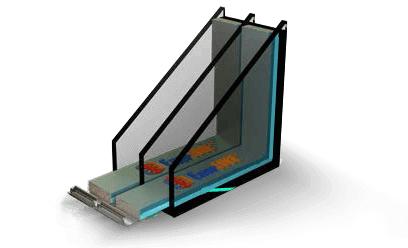
For maximum insulation, the space between glass panes can be filled with argon gas that effectively reduces thermal transfer by up to 50%. Argon can be used in any window regardless of the climate, helping to maintain cool temperatures inside in summer and warm ones in winter. However, argon-filled windows must always be installed by a trustworthy company to prevent gas leaks. While insufficient argon leakage isn’t dangerous for humans, it may lead to condensation build-up between the glass panes.
Another way to improve window energy efficiency is low emissivity glass coating. Any glass can be coated with a low-emissivity layer to block sun radiation and maintain a comfortable temperature indoors.
The biggest advantage of low-emissivity coating is versatility. Homeowners can choose a specific low-emissivity glass coating for each window depending on its placement. A triple-layer low e-coating applied to the outer side of the glass helps to maintain cooler temperatures indoors and block the sun’s radiation. This option is ideal for homeowners residing in warm regions and struggling from intense heat.
On the other hand, if the homeowners would like to make their house warmer, e-coating can be applied to the inner side of the window. This will prevent heat from escaping and, consequently, reduce heating bills.
Installation
Correct window installation is key to effective insulation. The windows must be properly levelled and installed without gaps to prevent air infiltration and ensure correct mechanism operation. Professional installations are always worth the money for homeowners wishing to reduce HVAC and window maintenance costs.
Frame
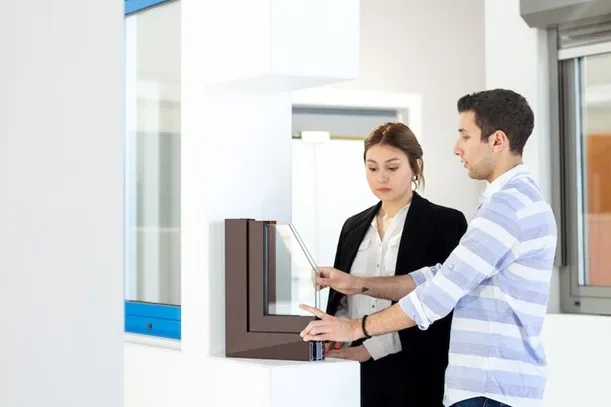
A multi-chamber vinyl frame construction guarantees thermal comfort year-round. The internal web of vinyl chambers blocks air movement inside the frame and prevents convection currents from forming condensation. Air trapped inside the frame serves as a natural insulator, improving window energy efficiency. Furthermore, such construction improves frame rigidity compared to single hollow chamber vinyl frames.
Energy Efficient Window Cost
The initial installation price of high-efficiency windows is higher than that of conventional windows, though it’s a wise long-term investment. The average nationwide price of high-efficiency windows is $500-$800 per window, excluding labour costs. The price can fluctuate depending on the chosen insulation type, the number of panes, e-coating type, window size, and construction complexity.
According to the Office of Energy Efficiency and Renewable Energy (EERE) data, uninsulated windows drive about 30% of total residential HVAC energy use. Therefore, high-efficiency windows can help homeowners save about 25-30% on energy annually. Homeowners spending $200 on average on energy bills monthly can save about $700 a year by replacing their old windows for better-insulated construction. Savings can be higher depending on the region, climate, energy rates, and window type.
Furthermore, high-efficiency windows can significantly increase house resale value. A new set of vinyl insulated windows can add upwards of $12,000 to the home selling price on average. The initial price of window replacement isn’t high considering all the savings and increase in property value.
How to Choose Energy Efficient Windows
When choosing high-efficiency windows, look for windows certified by Energy Star. It is a voluntary program organized by the U.S. Environmental Protection Agency and helps promote a reduction in energy usage and costs to preserve the climate. Windows must meet or exceed the government’s energy performance standards to receive the Energy Star certification badge.
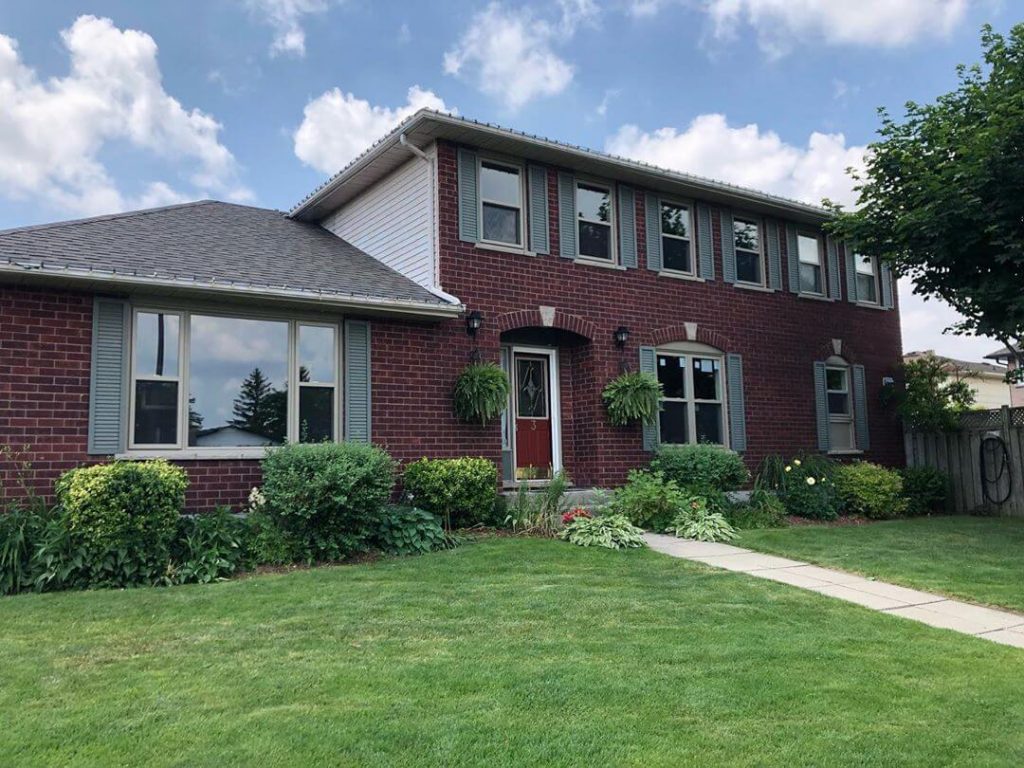
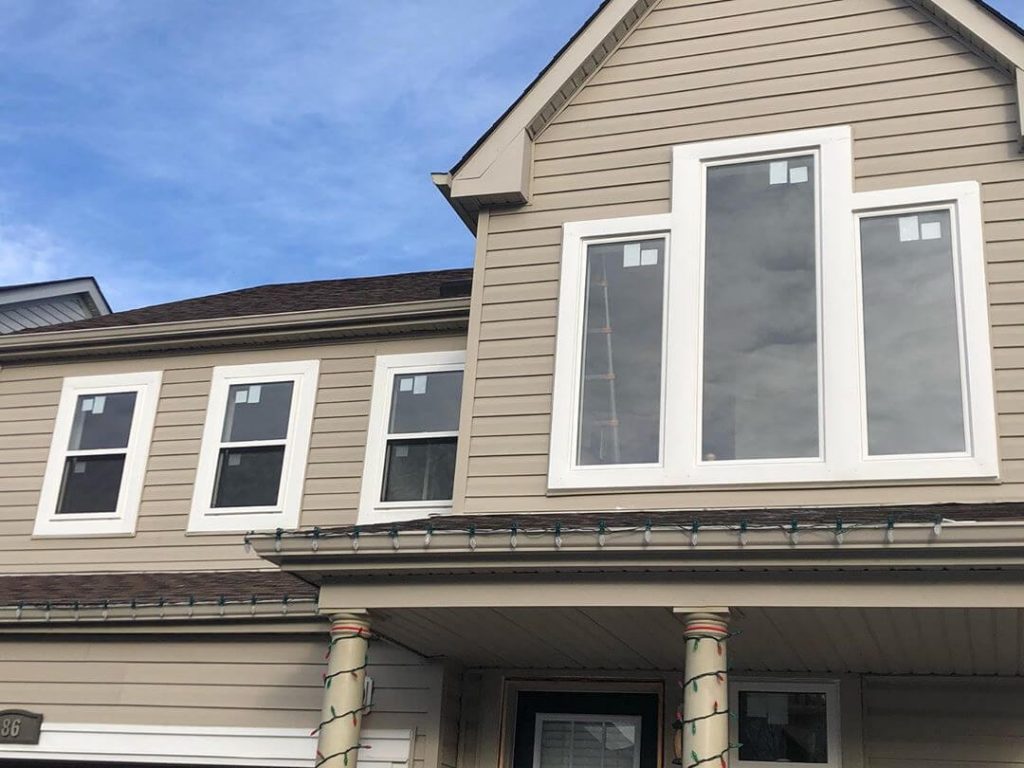
All Window Experts vinyl windows are Energy Star-rated to guarantee excellent thermal performance and provide great savings. Our high-efficiency windows are engineered to maintain a comfortable temperature in your home year-round, no matter how nasty the weather is outside.